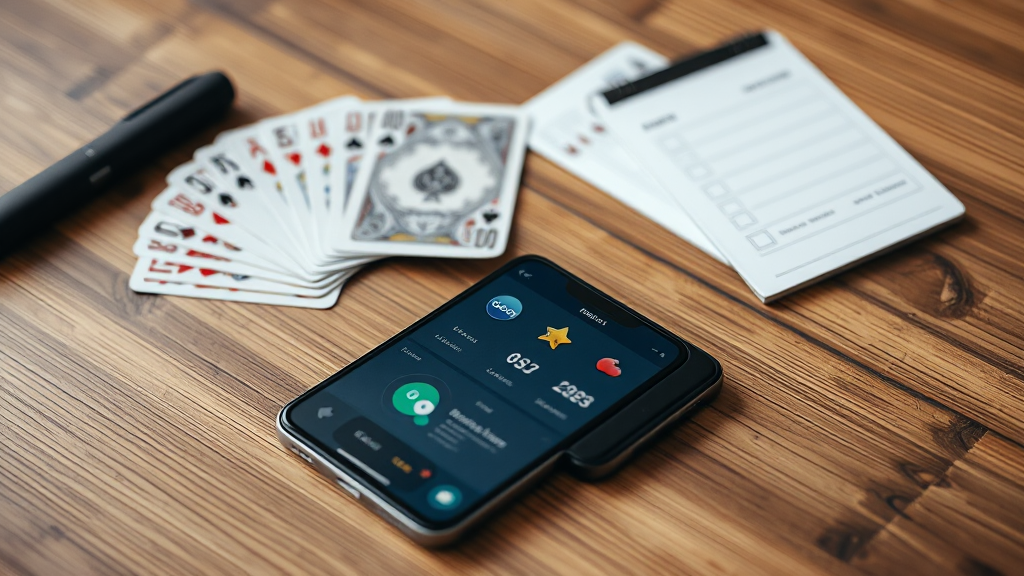
Diwa Game IND: A Practical Guide to Choosing Safer Rummy Apps in India
If you have spent any time searching for card gaming apps in India, you have probably noticed how quickly the options multiply. New names appear, old ones rebrand, and every listing promises better bonuses, faster withdrawals and smoother gameplay. For players who simply want to enjoy a game of skill on their phone, this abundance can feel more confusing than exciting. That is where a focused reference point like Diwa Game IND becomes genuinely useful, because it gives you a structured way to compare apps instead of relying on scattered screenshots and word-of-mouth claims.
This guide walks through what actually matters when you evaluate a rummy-style card gaming app in India: how signup offers really work, what payout timelines look like in practice, why payment method support varies so much, and how to keep your own play responsible. The goal is not to push you toward any single app, but to help you ask better questions before you install anything.
Why App Comparison Matters More Than App Advertising
Most players form their first impression of a gaming app from an advertisement. The ad shows a clean interface, a big welcome bonus and a happy winner. What the ad rarely shows is the fine print: wagering conditions attached to that bonus, the minimum withdrawal threshold, the verification steps required before your first cash-out, or how responsive the support team is when something goes wrong at midnight.
A comparison-first approach flips that sequence. Instead of starting with marketing, you start with the details that affect your experience after the novelty wears off. When you compare rummy apps side by side, you begin to see patterns. Some apps are generous with signup offers but slow on payouts. Others keep bonuses modest but process withdrawals quickly and consistently. A few support a wide range of UPI and bank options, while others restrict you to a narrow set of methods.
None of these differences are visible from a single app store listing. They only emerge when you place multiple apps next to each other and compare the same criteria across all of them. That is the core value of a dedicated review and comparison platform: it does the tedious cross-checking so you can make a decision in minutes rather than days.
How to Read a Signup Offer Without Getting Misled
Signup offers are the single most advertised feature of any card gaming app, and also the most misunderstood. A headline that says “get a big welcome bonus” tells you almost nothing on its own. What matters is the structure behind the number.
Start by asking whether the bonus is cash or credit. Cash bonuses are usually withdrawable after you meet stated conditions. Credit or promotional balances often cannot be withdrawn directly and must be used to play first. Next, look at the wagering requirement. If a bonus must be played through several times before any winnings can be withdrawn, the effective value of that bonus is much lower than the headline figure suggests.
Then check the expiry. Some offers remain valid for weeks, while others expire within a few days of registration. An offer that expires quickly can pressure new players into rushed decisions, which is the opposite of what a thoughtful comparison should encourage. Finally, confirm whether the bonus applies to all game formats or only specific tables and stakes. A bonus that only unlocks at higher stake tables may not suit a casual player at all.
When you compare signup offers across apps using the same checklist, the differences become obvious. Two apps may advertise similar headline amounts, but one may carry a far lighter wagering load and a longer validity window. That difference is worth more than the raw number.
Payout Details: The Part Most Players Check Too Late
Ask experienced players what frustrates them most about any gaming app, and payouts usually top the list. Withdrawal speed, clarity of processing times and the reliability of the payment rails matter more to long-term satisfaction than any bonus.
When reviewing payout details, look for a few specific things. First, the stated processing window. Some apps claim instant withdrawals but only for certain methods or certain amounts. Second, the verification requirements. Most legitimate platforms require identity verification before the first withdrawal, and the speed of that process varies widely. Third, the minimum withdrawal amount. A low threshold is friendlier for casual players who do not want to accumulate a large balance before cashing out.
It also helps to understand how each app handles withdrawal requests during peak hours. A payout system that performs well on a quiet Tuesday afternoon may behave very differently on a weekend evening when request volumes spike. Reviews from real users, aggregated across a comparison site, often surface these timing patterns better than official documentation does.
Another detail worth tracking is whether the app publishes a clear withdrawal policy at all. Platforms that hide this information behind support tickets or vague FAQ answers are usually a warning sign. Transparency here is a reasonable proxy for how the rest of the platform is run.
Payment Methods and Why They Shape Your Experience
Payment method support is one of the most practical differences between apps, yet it rarely gets the attention it deserves. In India, UPI has become the default way many people move money, and apps that support UPI well tend to feel smoother from the first deposit onward. Beyond UPI, players commonly look for net banking, popular wallets and standard bank transfers.
The important question is not just which methods are listed, but how each one performs. A method that appears in the deposit menu may still have slow settlement on the withdrawal side. Some apps charge processing fees on certain methods and not others. Others impose daily or monthly limits per payment channel.
When you compare payment methods across apps, group them by how you actually use money. If you deposit small amounts frequently, a low minimum deposit and zero fees matter most. If you prefer to withdraw larger sums occasionally, prioritise apps with high per-transaction withdrawal limits and reliable bank transfer timelines. Matching the app’s payment profile to your own habits is far more useful than chasing the flashiest bonus.
Ratings, Reviews and the Signals Behind Them
Star ratings are a useful starting point but a poor finishing point. A 4.5-star average can hide a lot: a wave of early reviews, a recent update that broke stability, or a support team that has quietly become unresponsive. What matters is the distribution and the recency of feedback.
Look for patterns rather than isolated complaints. If multiple recent reviews mention the same issue, such as delayed withdrawals or login problems after an update, that is a meaningful signal. If complaints are scattered and contradictory, the app may simply have a mixed user base with different expectations.
It also helps to separate gameplay feedback from money feedback. Comments about interface design, table variety and smoothness tell you about the product. Comments about deposits, withdrawals and verification tell you about the business. Both matter, but the second category deserves more weight when real money is involved.
A comparison platform that aggregates ratings alongside payout and payment data gives you a more honest picture than any single app store page, because you can see how an app performs relative to its peers on the same criteria.
Installation, Device Compatibility and First-Run Experience
Installation is the step where many players form a lasting impression, often unfairly. An app that downloads slowly or asks for excessive permissions on first launch can feel untrustworthy even if the underlying platform is solid. Conversely, a clean, quick install with clear permission requests sets a positive tone.
Before installing, check the stated device requirements. Some apps run smoothly on older Android versions, while others require a recent operating system and sufficient free storage. If you are using a mid-range phone, this matters more than you might expect. An app that lags during card animations or disconnects during play will frustrate you regardless of how good its bonus structure looks on paper.
Also pay attention to how the app handles updates. Frequent, well-documented updates suggest active development. Long gaps followed by a sudden large update can indicate instability. Reading installation guides and compatibility notes before you download saves time and avoids the annoyance of uninstalling a poorly matched app.
Responsible Play: The Habit That Protects Everything Else
No amount of comparison research replaces personal discipline. Card gaming apps are designed to be engaging, and engagement can quietly turn into overuse if you are not paying attention. Setting a few simple rules before you install anything makes a real difference.
Decide in advance how much time and money you are willing to spend, and treat those limits as fixed. Use the app’s own deposit limits and session reminders if they exist. Take breaks between sessions, especially after a losing streak, because decision quality drops when you are chasing losses. And never treat gaming as a source of income; treat it as entertainment with a cost, the same way you would treat any other leisure activity.
Platforms and review sites that promote responsible play, and that clearly state their content is intended for adults aged 18 and over, are generally more trustworthy than those that avoid the topic entirely. If an app or a listing never mentions responsible gaming, that silence is itself information.
Building a Simple Comparison Routine
You do not need a spreadsheet to make better choices. A short, repeatable routine is enough. Pick three or four apps you are considering. For each one, note the signup offer structure, the wagering requirement, the stated payout window, the supported payment methods, the recent review sentiment and the installation requirements. Then compare them side by side on those six points.
This routine takes perhaps twenty minutes and will almost always reveal at least one app that looked attractive in advertising but falls short on the details that matter. It also protects you from the common trap of installing the first app you see and committing to it out of habit.
Over time, you will develop a feel for which platforms consistently deliver and which ones rely on marketing rather than substance. That instinct is valuable, but it is built on structured comparison, not on luck.
Frequently Asked Questions
What should I check first before installing a rummy-style card gaming app?
Start with the payout policy and payment methods, not the bonus. A generous signup offer means little if withdrawals are slow or restricted. Once you know how money moves in and out, evaluate the bonus structure, then look at device compatibility and recent user reviews.
Are signup bonuses always worth claiming?
Not always. A bonus with heavy wagering requirements, a short expiry window or restrictions on which tables qualify can be worth less than a smaller, cleaner offer. Read the conditions and compare the effective value, not the headline number.
How can I tell whether an app’s ratings are trustworthy?
Look at the recency and distribution of reviews rather than the average. Consistent recent complaints about withdrawals or support are a stronger signal than a high overall score. Aggregated comparisons that place multiple apps side by side on the same criteria tend to be more reliable than a single store listing.
Is responsible gaming guidance really necessary for casual players?
Yes. Casual play can gradually become habitual, especially when apps are designed for engagement. Setting time and spending limits in advance, taking breaks and treating gaming as paid entertainment rather than income are simple habits that keep play enjoyable and under control.
Why do payment methods differ so much between apps?
Apps integrate different payment partners and may support UPI, net banking, wallets or bank transfers to varying degrees. Processing times, fees and limits often differ per method within the same app, so it is worth checking both the deposit and withdrawal sides before committing.
Choosing a card gaming app in India does not have to be a gamble in itself. With a clear checklist, a comparison-first mindset and a realistic view of your own habits, you can filter out the noise and focus on platforms that treat players fairly. The details are always there if you know where to look, and taking a few extra minutes before you install can save you a great deal of frustration later.